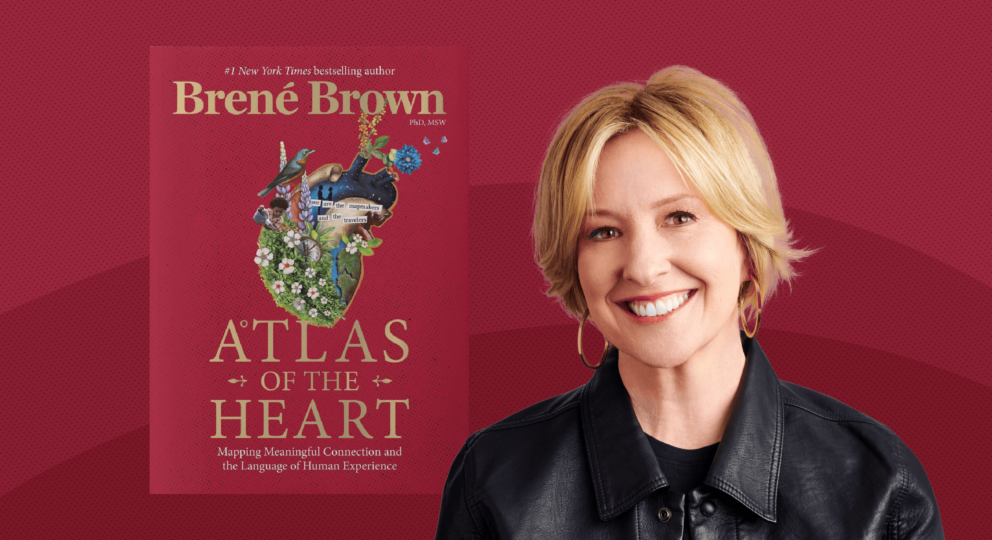
Blaming is a natural human tendency. When something bad happens, the first thing we want to know is, “whose fault is it?” In this follow up to her popular short on empathy, Dr. Brené Brown considers why we blame others, how it sabotages our relationships, and why we desperately need to move beyond this toxic behavior.
Blaming provides us with a means to discharge our pain, and makes us feel as though we have some grasp of control on a negative situation. While it may feel good to release anger by blaming others, it hurts our relationships with those around us, and makes it difficult for us to hold people accountable for their actions. As Brené explains in the video, blaming has an inverse relationship with accountability.
So why is blaming so toxic? It’s an example of defensiveness, one of the Four Horsemen that predicts relationship failure. Dr. Gottman defines defensiveness as self-protection from a perceived attack through righteous indignation or by playing the victim. Below is an example of a defensive interaction between a couple:
Mark: The house is a mess! We have company coming over in an hour, Ben. I thought we agreed that you would tidy up the kitchen once you got home from work. I can’t believe how careless you are!
Ben: I had a bunch to do at work today. I work long hours to put food on the table for our family while you stay at home all day! I don’t see why you didn’t have time to clean.
FREE Download | What Are You Really Fighting About?
Download an exercise designed to help you learn how to use conflict to communicate better rather than arguing endlessly.
Sign up for Love Notes and Get the FREE Gottman worksheet, What are You Really Fighting About.

It’s not surprising that Ben would become defensive considering his partner’s blatant criticism, another one of the Four Horsemen. While it’s reasonable that Ben would defend himself, research shows that this rarely results in the desired outcome. Defensiveness doesn’t make the attacking partner back down or apologize. In fact, most of the time it will escalate the argument even further.
This is because defensiveness is really an underhanded way of blaming your partner. When Mark confronts Ben about his lack of housework, Ben responds with a counterattack about how Mark stays at home all day. In other words, Ben is telling Mark, “the problem isn’t me, it’s you.”
Furthermore, defensiveness and blaming lead to missed opportunities for empathy and emotional connection. When we are listening with the intent to determine who’s at fault, we are not truly listening with empathy. This is problematic because empathy is crucial to feeling heard and understood in relationships.
The antidote to defensiveness is to accept responsibility, even if for only part of the problem. By holding ourselves accountable for our actions, we open the door to make the changes necessary to better ourselves. When we respond defensively by blaming, we slam that door shut, and give up our power to change.
Here’s how Mark and Ben could say things differently:
Mark: I’m really upset about how messy the house is. I thought we agreed that you would tidy up the kitchen once you got home from work.
Ben: I’m sorry, dear. I did agree to clean the kitchen. We still have an hour until company comes over so I’ll start washing the dishes. Would you do me the honor of being my dish dryer?
There is a complete absence of the Four Horsemen in this interaction. Mark avoids using criticism, and Ben accepts responsibility for his actions instead of blaming his partner.
Many of us don’t realize that negative comments may actually contain hidden pleas for connection. Dr. Gottman says that, “behind every complaint is a deep personal longing.” Before rushing to respond defensively, pause and think about what your partner is trying to communicate. Practice accountability in your relationships with others. You might be surprised by how it increases your capacity for empathy.
If want tips to build a deeply meaningful relationship full of trust and intimacy, then subscribe below to one of our newsletters: