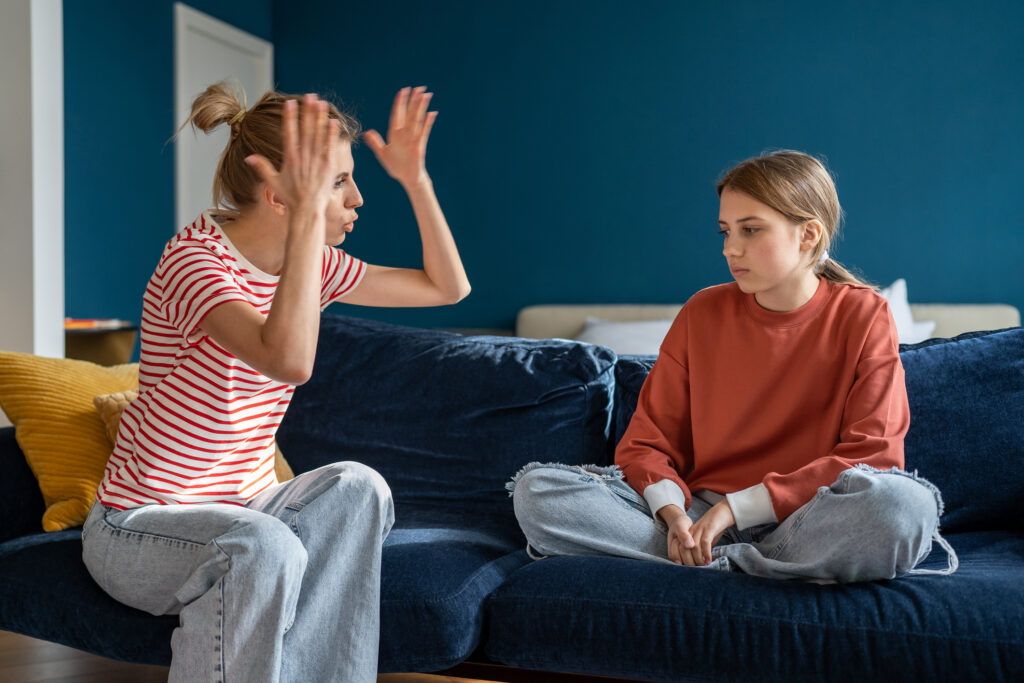


It is not the child’s temperament that predicts marital conflict, but rather the type of marital conflict that predicts a child’s temperament. To the extent that couples were hostile towards each other when resolving their marital disputes, three years later their children tended to be seen by their teachers as exhibiting mild forms of antisocial behavior. Parents whose conflicts are characterized by mutual hostility often produce children who are unable to wait their turn, tend to disobey or break rules, or expect others to conform to their wishes. Couples whose conflict styles involve a pattern of wife hostility met by anger and withdrawal or stonewalling of the husband tend to produce children who are shy, depressed, or anxious.
Conflict is a natural (and healthy) part of any intimate relationship. Dr. John Gottman’s research on this subject may come as a welcome relief. He has discovered that as children grow up, their ability to cope with emotions is strengthened not by conflict avoidance between their parents, but rather by the example that their parents set in their healthy acknowledgment of negative emotions.
The efforts that you make to work through inevitable differences with your partner in a loving and accepting way will strengthen your relationship with your child. In the most formative years of your children’s lives, exposing them to emotionally intelligent styles of conflict resolution is scientifically proven to do wonders for their future success. Once formed, the research shows that that the habits your children pick up from you really stick.
Dr. John Gottman’s research on the effects of healthy parenting has shown that an awareness of your own emotions and those of your children dramatically strengthens your connection as a couple too. Feelings of companionship, affection, fondness, admiration, and general happiness about their marriages were shown to increase for couples who taught their children to work out areas of conflict in a healthy way. These couples also showed less of a tendency to treat each other with belligerence, contempt, stonewalling, and other chaos-inducing behaviors. As those of you with children know, chaos is to be avoided at all times! There is always enough chaos.
If you and your partner become Emotion Coaches, Dr. John Gottman’s term for couples who engage in healthy methods of problem-solving, you stand to benefit enormously both in your own relationship and in your relationships with your children. Watching their parents treat each other with respect and understanding teaches children essential life-skills. From the sandbox to the classroom, they will have learned crucial skills in dealing with their own emotions and those of others in a healthy way.
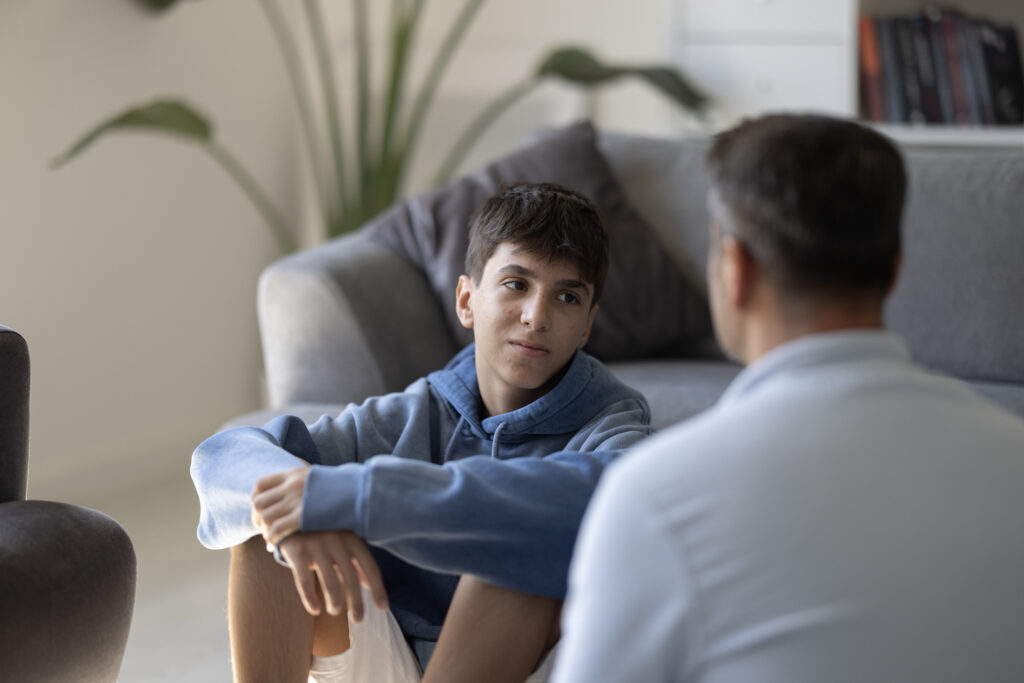
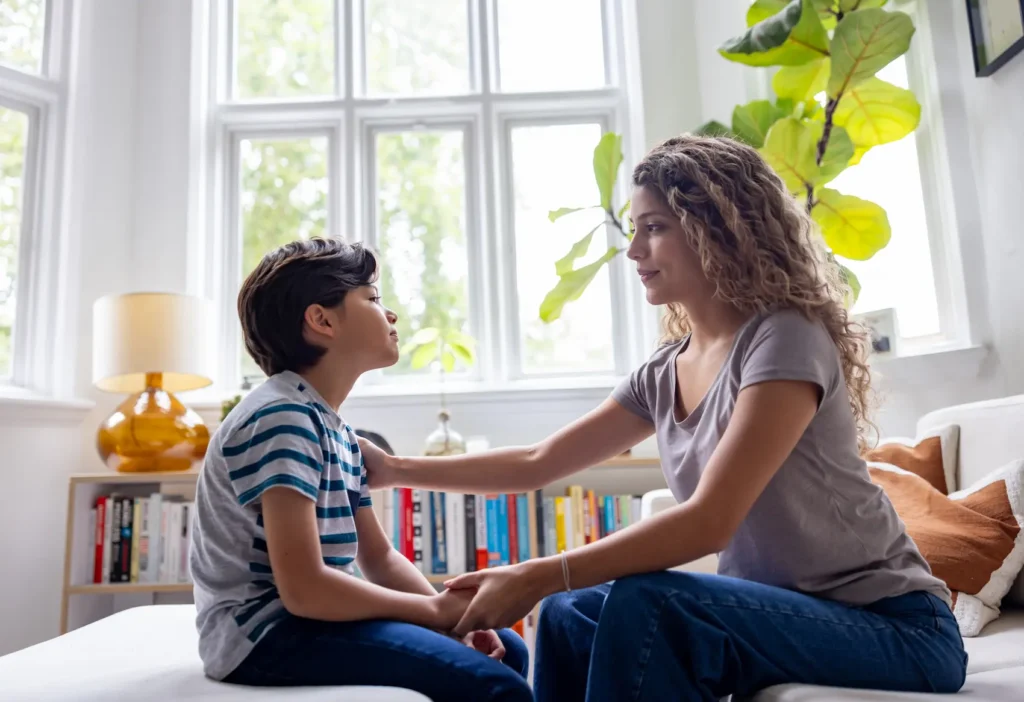
When your child expresses negative emotions or misbehaves, try to figure out the underlying cause of their feelings. Discover the benefits of these proven strategies:
- Show your child respect and understanding in moments when they feel misunderstood, upset, or frustrated. Talk through their feelings with them and try to understand their source.
- Be aware of your child’s responses to your method of working through the moment with them.
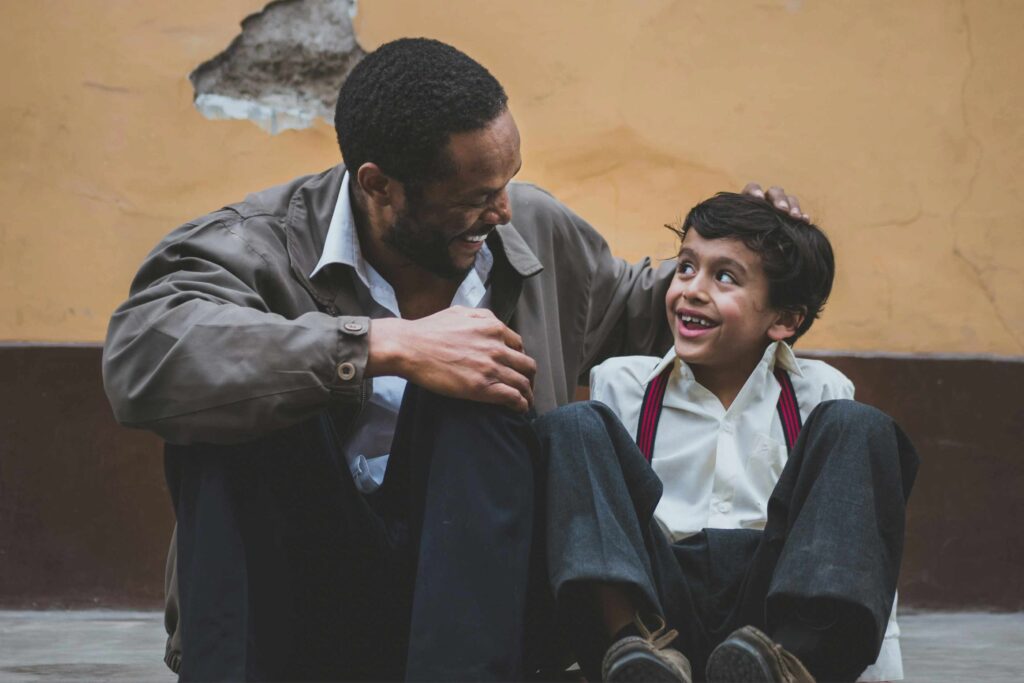
- In difficult interactions, make your child feels your empathy, by patiently validating their feelings and getting to the root of their expression.
- Instead of focusing on your parental agenda in these situations, show your child that you respect their attempts to solve problems, and guide them with trust and affection. Work through these experiences together.
To read more about Dr. Gottman’s research on Emotion Coaching, check out his critically-acclaimed book, “Raising An Emotionally Intelligent Child.”