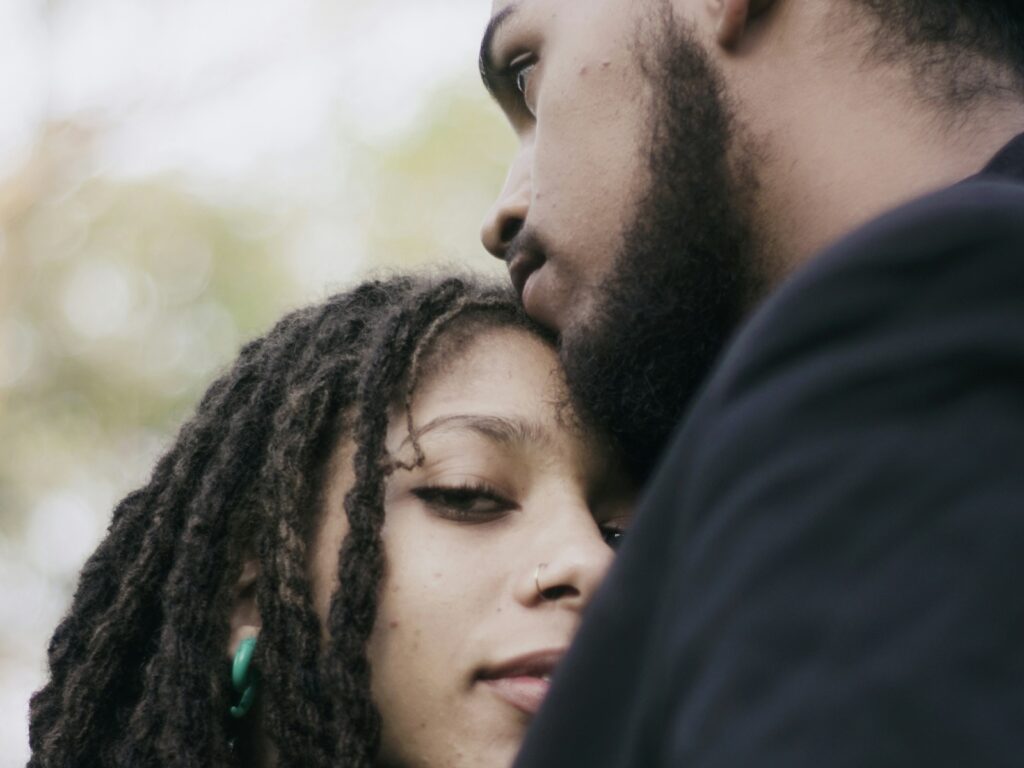
Neurodiverse romantic relationships include at least one or more neurodivergent partners. Neurodiversity refers to the variation in neurological differences that occur naturally in all humans, with 15-20% of people falling in the category of neurodivergent.
The term neurodivergence is most commonly used with Autism and ADHD, but it also applies to people with Dyslexia, Sensory Processing Difficulties, Dyspraxia, Dyscalculia, Synesthesia, OCD, and other common brain variations.
Most Common Sources of Conflict in Neurodiverse Relationships
The biggest conflicts in neurodiverse relationships boil down to the difficulty individuals have in understanding the differences in how each partner processes information.
Mindreading and jumping to conclusions
In any relationship, it’s common for partners to jump to conclusions during conflict based on their individual interpretations. In neurodiverse relationships, due to differences in how both partners process information, this is magnified. One or both partners is more likely to misunderstand or misinterpret what happened.
Feeling misunderstood
Due to differences in perspective, it is very common for both partners to feel misunderstood in the relationship. Neurotypical partners tend to feel like their partner isn’t willing to try harder or doesn’t care enough. Neurodivergent partners tend to feel like their partner doesn’t have enough patience and/or is difficult to please.
Defensiveness or perceived defensiveness
Defensiveness is more common in neurodiverse couples because while one person’s brain may view something as acceptable in the relationship and the other may not*. It is also common for the neurodivergent partner to feel like they have to explain themselves constantly, which leads to hypervigilance, guilt, and shame. This constant impasse in communication leads to a dynamic where both partners feel on edge whenever conflict arises.
Overlooking differences
It may be difficult for neurotypical partners to understand that their partner’s brain processes information differently. Thus, they maintain the expectation that their partner should think, react, and behave the same way as a neurotypical person.
While it is true that most couples struggle with some aspects of relationship dynamics, neurodivergent brains tend to have more difficulty monitoring and managing some emotions and behaviors.
Common differences in neurodivergent people:
- Difficulty managing impulsivity
- Difficulty reading non-verbal cues
- Rejection sensitivity dysphoria
- Sensory and emotional overwhelm
- Executive functioning difficulties
- Hyper-fixation in special interests
- Low frustration tolerance
Neurodiverse relationships tend to grow apart due to the deep resentment of not being able to understand each other.
Changing the Narrative
For your neurodiverse relationships to thrive, it’s important to focus on understanding the differences in how you and your partner process information and how this impacts your ability to understand each other.
Understand and honor differences
Consult your doctor or therapist. It’s important for you and your partner to learn how both of you process information, honor those differences, and learn to set realistic expectations around them.
Make an inventory
Make an inventory with your partner on those things with which both of you struggle. Is it interrupting? Jumping to conclusions? Sensory overload? Shutdown? Make a plan on how to address these before they show up. Maybe one partner can work on attempting to listen more attentively, while the other partner works on understanding that this may be difficult for their partner.
Work on clear, non-defensive communication
Make it a goal to communicate directly and clearly when it comes to topics that can turn into conflict. Implement softened start-ups and give your partner the benefit of the doubt. Some people do better with time-limited phone conversations, video calls, or writing letters instead of face-to-face conversations. Remember that as long as the relationship is not abusive, there is no “right way” or “wrong way,” simply two different ways of seeing things.
Understand the role of sensory issues
If you are the neurodivergent partner, recognize your own sensitivities to light, sound, touch, smell, taste, and sense so you can communicate them to your partner. If you are the neurotypical partner, understand how these can impact your partner’s nervous system and how their ability to manage them is compromised. Honoring and meeting these basic needs for nervous system regulation can play a huge role in developing intimacy and bringing the relationship closer.
Common ways for someone to feel overstimulated:
- Being around too many people
- Loud noises/ excessive talking
- Strong smells
- Certain textures
- Eye contact
- Bright lights
- Receiving too much information at once
Practice time-outs
If you feel misunderstood or have difficulty understanding your partner, practice taking some time away from the interaction. Discuss ahead of time the purpose of time-outs and how you plan to use them to explore different possibilities of what could have happened.
Final Thoughts
If navigating your relationship feels too challenging, consider seeing a couples therapist who specializes in working with neurodiverse couples. Many times, having someone who can provide information and tools to navigate challenges in the relationship can be exactly what your relationship needs.
* Examples of these are a neurotypical partner who perceives direct feedback from a neurodivergent partner as criticism, or a neurodivergent partner feeling rejected when their partner asks for space.
FREE Download | What Are You Really Fighting About?
Download an exercise designed to help you learn how to use conflict to communicate better rather than arguing endlessly.
Sign up for Love Notes and Get the FREE Gottman worksheet, What are You Really Fighting About.