0

Managing Conflict in Blended Families

By compromising with your loved ones, you’re more likely to find a win-win solution.

managing conflict in blended families

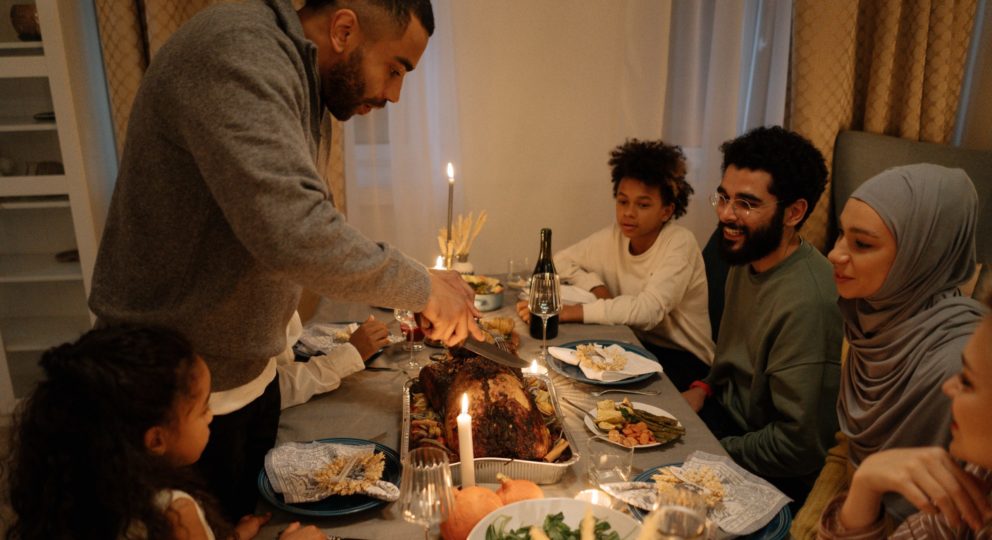
As in all families, it’s important that parents in blended families (think The Brady Bunch) develop a “we’re in this together” mindset for the health of their relationship and children.

In over 50 years of research in his classic “Love Lab” studies, Dr.  John Gottman discovered the number one solution to relationship problems is to get good at repair skills. He explains that repair attempts allow a couple to get back on track after a fight and are an important way to avoid resentment.

A repair attempt is any statement or action intended to diffuse negativity and keep a conflict from escalating. This can be particularly helpful for managing conflict in blended families where different cultures, beliefs, and family histories combine.

5 Ways to Effectively Manage Conflict in Blended Families:

Approach conflict with a problem-solving attitude. Avoid trying to prove a point and examine your part in a disagreement rather than assigning blame. Don’t dig your heels in when you argue. Instead, listen to your partner’s side of the story and their requests. Then ask for clarification on issues than are unclear, or on miscommunications you may have experienced with your partner’s children. Engage in a productive conversation rather than shutting down or making a case against each other.

Use “I” statements rather than “You” statements that tend to come across as blameful – such as “I felt hurt when you didn’t answer my text” rather than “You’re so insensitive; you never think about me.” Using “I” statements is also helpful in nurturing a positive relationship with your children.

Take a short break if you feel flooded. This will give you both time to calm down and collect your thoughts so you can have a more meaningful dialogue. Set up a policy where no disapproval (or criticism) is allowed between you and your partner for at least 24 hours during times of turmoil and high stress in your family. You can say something like, “I’m going in the other room to read a book and cool off. When I get back, I hope we can talk.”

Practice the art of compromise. Establish common goals that you can agree on. Be sure to discuss any feelings you have about the issue you’re discussing, why you feel that way, and one thing you’d like to see change. Listen actively without making evaluative comments. When your partner identifies an inflexible area of a need, ask for more clarification about why it’s important to them. By compromising with your loved ones, you’re more likely to find a win-win solution.

Have a recovery conversation after an argument. Daniel B. Wile, Ph.D. believes that your focus after an argument needs to be on listening to your partner’s perspective, collaborating, building intimacy, and restoring safety and good will. Instead of focusing on your partner’s flaws, spend energy fostering a deeper connection with them.

Moving Forward as a Team

By practicing healthy conflict management, it becomes easier to repair disputes and get back on track. If you find yourself struggling, tell your partner what’s on your mind. For instance, say something like “I feel overwhelmed and frustrated right now. Can you hold me or tell me you love me?”

Most of the time, you’ll restore intimacy by being vulnerable with your partner during times of high conflict and focusing on honoring both of your needs, wishes, and dreams. Couples do best when they understand the importance of having a strong relationship that acts as the foundation for the family’s happiness.


FREE Download | What Are You Really Fighting About?

Download an exercise designed to help you learn how to use conflict to communicate better rather than arguing endlessly.

Sign up for Love Notes and Get the FREE Gottman worksheet, What are You Really Fighting About.

What Are You Really Fighting About Free Download Graphic

Ask Gottman

Your email address will not be published. Required fields are marked *

Terry Gaspard MSW, LICSW is a licensed therapist and author. She has published four peer reviewed articles, and two of her research studies were published in the Journal of Divorce and Remarriage. Terry is also a contributor to Patheos.com, TheGoodMenProject.com, and marriage.com. Terry’s award-winning book, Daughters of Divorce: Overcome the Legacy of Your Parents’ Breakup and Enjoy a Happy, Long-Lasting Relationship, was published in 2016. Her book, The Remarriage Manual: How to Make Everything Work Better the Second Time Around, was published in 2020 and was the winner of American Book Fest’s 2020 Best Book Award in “Self-Help: Relationships” and the 2022 Independent Publisher Book Award in Gold for Self Help.
Terry’s new book Let’s Talk About Money: Low-Conflict Conversations for Couples will be published by Bloomsbury Academic in January 2026 and will be available on audiobook by Podium. Find Terry on X (Twitter), Facebook, Blue Sky, Instagram and movingpastdivorce.com.

Recommended products

$129.00

Help your toddler grow as they learn to manage big emotions and push boundaries.

Toddlers are learning to handle big emotions, pushing boundaries, and developing attachment styles. With our actionable steps and science-backed solutions, we’ll empower you to raise a secure, empathetic toddler.

You’ll learn how to effectively manage meltdowns with our three-step guide, how to practice the tried and true Gottman emotion coaching method with your child, and learn how to take care of yourself so you can show up as the best parent you can be for your toddler. Plus, discover the best ways to protect your child through big life changes like divorce and separation, and learn about attachment styles and how to raise a secure, independent toddler.

With immediate solutions and real-life examples, you’ll have what you need to support your toddler’s emotional development for a bright future.

$129.00

Support your tiny tot’s development with boundaries, sleep, language, toilet training, friendships, and emotions.

Toddlers are tiny negotiators who love the word “NO!”. They’re learning to walk, talk, toilet train, and make friends, and they need guidance to develop empathy and healthy habits.

With our actionable steps and science-backed solutions, we’ll empower you to nurture their development, get them ready for preschool, and create a safe environment for them to thrive.

You’ll learn how to support your toddler’s social skills, unlock their language potential, and solve any sleep or toilet training challenges. Plus, discover the benefits of engaged father figures, learn how to set limits your toddler will listen to, and gain tools and exercises to manage parental stress.

With immediate solutions and real-life examples, you’ll have what you need to raise a well-rounded, empathetic toddler.

Original price was: $250.00.Current price is: $189.00.

The Gottman Relationship Adviser is a complete approach to relationship wellness. Measure your relationship health with the research-based Gottman Assessment, analyze five key areas of your partnership to identify your strengths and weaknesses, then start a tailored, step-by-step digital program proven to heal and strengthen your connection—all on your schedule and from anywhere.

The Adviser uses the legendary scientific Gottman Method to help you understand what’s really going on in your relationship—and gives you exactly what you need to improve it.


Related posts

One partner using AI to get relationship advice while her partner sits nearby.

When AI Makes Couples More Certain, But Not More Connected

Dana McNeil

AI can offer relationship advice, but can it build connection? Explore how relying on AI may reinforce assumptions rather than foster understanding between partners.

Read More

A woman rests against a man as he kisses the top of her head.

We Agreed. Why Are We Having This Argument Again?

Alexander Elguren

In relationship conflict, we often start persuading before we’ve finished listening. Understanding the three stages of a fight can change how we handle the next one.

Read More

A woman sits on a mustard-colored sofa while a man stands behind her.

Who Has to Calm Down First?

Alexander Elguren

One partner wants to keep talking. The other can’t take in another word. How couples can practice emotional regulation when they disagree about how to disagree.

Read More

Emotional cheating: a woman alone at a coffee-shop table, hand against her cheek, behind a dark pillar

How a Coffee-Shop Friendship Can Turn Into Emotional Cheating

Alexander Elguren

He told himself it was innocent. He didn't tell his wife.

Read More

A woman with curly dark hair in a white shirt looks at the camera while a man in a dark shirt holds her from behind, his face turned toward her.

The Sex Stopped. Neither of Them Said Anything.

Alexander Elguren

Why revealing yourself matters more than revealing lingerie.

Read More

Four people at a dinner table by an open window at sunset, one couple looking at a book together while the other two sit apart

You Still Get Along. It Might Still Be Roommate Syndrome.

Alexander Elguren

What the Term Means, and Why Marriages Like These Can Have a Renaissance.

Read More

Improve your Relationship Skills with our Free Newsletters
0