

It was 1976 and I was 14 years old. The Sock Hop only came around occasionally in Junior High, but every time it was wrought with anticipation and dread, a mixture of emotion difficult for any 14 year old to make any sense of.
It was Friday lunch hour. The lights were dimmed, the disco ball was rolling and the dance was on. Oh, let’s not forget, shoes were left at the door, hence the name “Sock Hop.” It was a gym floor after all.
But it wasn’t until after the shoes came off and the music started that the drama began. Along with the dread. Invariably the girls would end up on one side of the floor with the boys on the other.
We were 13 and 14 years old, and the idea of talking to a girl, never mind asking her to dance, was as terrifying as stepping off a cliff. At least for some of us. I remember standing on the “boy’s side” of the gym with my back pinned against the wall like I was stapled there.
Eventually the moment that everyone had been waiting for would happen. Two or three brave souls would cross the vast expanse under the disco ball and each ask a girl to join him on the dance floor. Would she say yes? Or would he be rejected for all to see and have to make the journey back across the floor, alone and humiliated?
They were followed by the next group, and the next, until the floor was crowded with sock hopping, head bobbing teens.
But as I stood frozen (along with my terrified and overly-cautious friends) I marveled at this phenomenon. From my perspective, something remarkable was happening. These boys, my peers, were walking across the floor and offering themselves in such a dangerous manner. In such a way that the girl had all the power in the world to grant him his wish, or to turn him away in rejection and humiliation. And to be sure, sometimes that’s exactly what happened.
Where did they get that kind of courage and self confidence? I couldn’t conceive of it. I wished I had it, but somehow the risk of being turned down and the fear of being that exposed seemed too much for me. I felt safest with my back securely pinned to the wall.
Eventually I stopped attending the Sock Hop ritual altogether. I told myself I had more important things to do, but the truth was that the tension I felt just became too much. I felt defeated, like I had given up on myself. I still feel a little sad as I write about it all these years later.
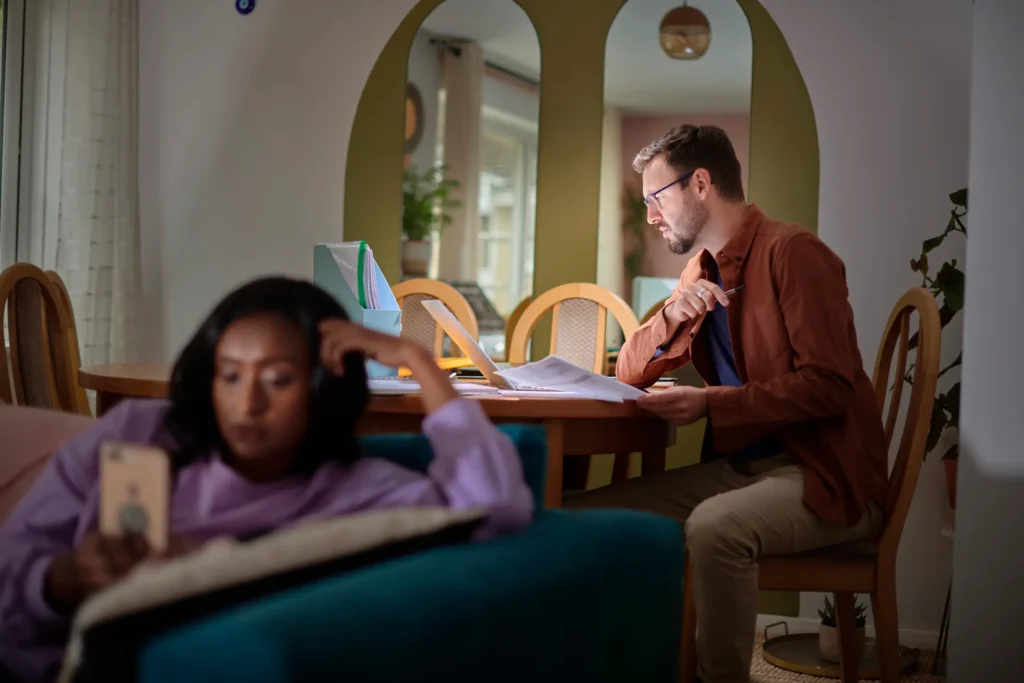
But it has dawned on me since I was 14 that the “gym floor” is somewhat proverbial. It seems to still present itself in my life in my relationship with my wife on somewhat of a regular basis. It shows up every time I have a wish that the woman on the other side of the disco ball (also thankfully proverbial) has the power to grant or withhold.
The truth is that my wife is not a woman I have admired from afar but never actually talked to. I know she loves me and holds my heart with care. So the stakes are a little different. But I am regularly stunned at how often I have to peel my back off the wall to ask her to dance. Sometimes the dance is a literal one.
Last fall we were at our son’s wedding in Boston. There was a dance, and for a moment I felt 14 again. Should I ask her to dance? Will she want to, or is she secretly hoping I won’t ask? Will I look like a fool and embarrass her?
But more often the dance is less literal. It happens when I have to expose my inner world to her. My fears, my wishes, and dreams. My failures. Admitting that I was wrong. To acknowledge that I am absolutely dependent on her acceptance in spite of these fears. Or when my wishes conflict with hers and there’s a chance of contention.
It’s exactly in situations like these that I feel strangely 14 years old, and that I once again have to cross that same gym floor and simply offer myself to her. Every time I do, something beautiful happens. With a trembling heart, I reveal myself and my wife responds to me. An intimate dance emerges filled with twists and turns that would have been impossible to predict. And somehow, in ways that are difficult to put into words, it connects us to each other, and deepens our relationship.
I have to admit, there are times when it seems just too hard to get my back off the wall. I get stuck inside myself while the song ends and the moment is gone. I feel sad every time it happens. Like I gave up on myself.
And then there are the times I do cross the floor and it doesn’t actually work out. Yeah, that’s still a thing. But I’ve discovered that actually doesn’t feel as bad as having my back stapled to the wall while the song ends.
Having the courage to show up is actually less risky than staying stuck. That’s something I wish I had known at 14.
So, through it all, I think I’ve figured something out here. I’ve learned that in order to dance, you have to cross the gym floor and offer yourself, giving your partner the opportunity to accept or deny you.
Without that vulnerable offering, the dance can never actually happen. It can be scary as hell, but the dance is worth it.
.