
Have you experienced dating anxiety? You’re not alone. These therapist-approved tips can help you navigate the dating world with greater confidence.
DO YOU SEE YOURSELF IN THESE EXAMPLES?
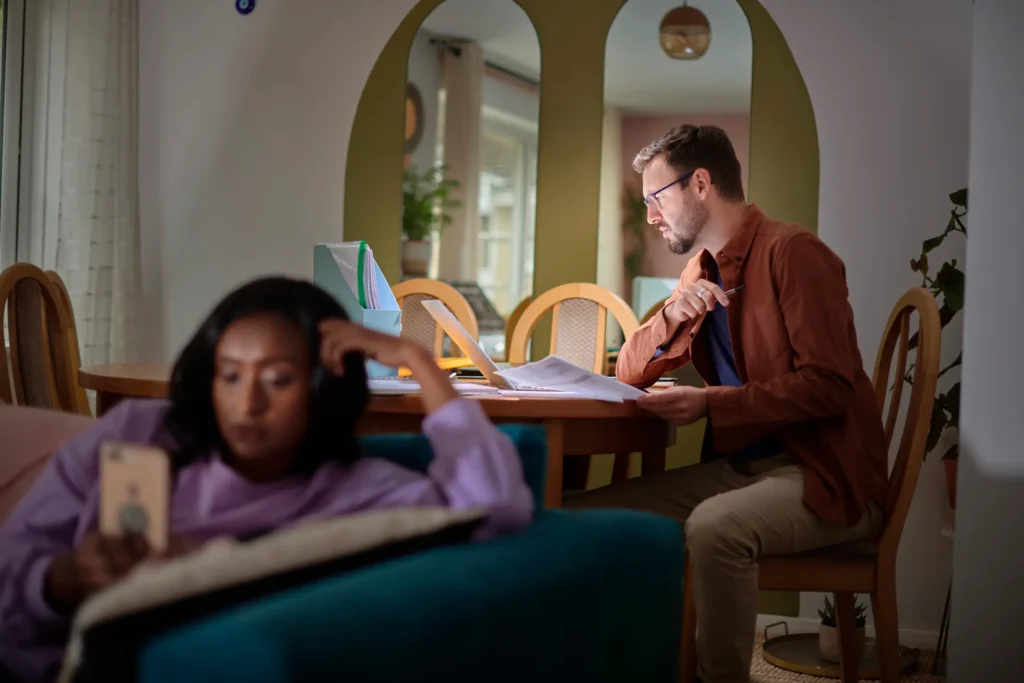
Susan has been feeling anxious for several hours because her date from a few days ago, Lucas, has not contacted her even though they had a lovely date. It’s been two days already and she keeps wondering if she did something wrong.
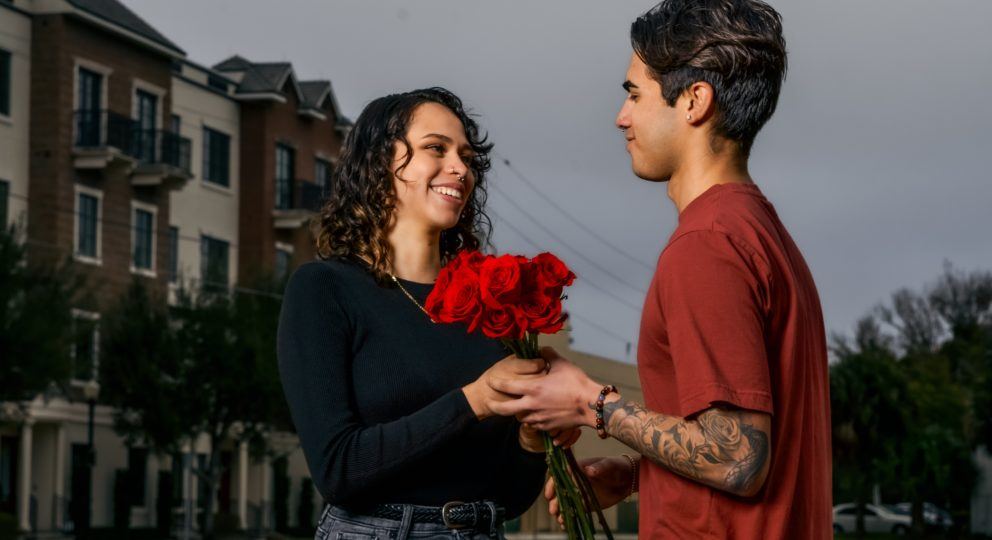
Mark lives in a constant fear that the person he’s newly dating, Juan, will stop liking him any day now. He agrees with anything Juan wants to do out of fear that he won’t be liked if they disagree. He is hoping Juan dates him exclusively, and wants to show him that he’s “relationship material, easy going and fun.”
Dating and Anxiety
These examples have one thing in common: relational anxiety. There are countless reasons people experience anxiety while dating. Sometimes it’s due to past hurtful dating experiences, and sometimes it seems as if we are programmed to be anxious and fearful from the start.
Your dating difficulties aren’t caused by something about you that’s permanently flawed. If you’ve experienced relational trauma (any experience that’s been overwhelming, painful, shocking and registered as “dangerous” to our nervous system is trauma, no matter how big or small), being vulnerable in a relationship may reveal unhealed wounds. Traumatic experiences make us hypervigilant. Anxiety is an attempt by our nervous system to seek safety.
Moving forward
These steps can help you improve your anxiety without resisting when it comes up:
- Surround yourself with emotionally safe people. Safety is felt in their presence, body language, and “energy.” Being around emotionally safe people helps to regulate one’s nervous system. When dating, focus on how you feel around that person. Do you feel safe enough to be yourself?
- Ask for what you want and need. Speak about your preferences, your hopes and expectations. Many of us do not disclose their needs out of fear and discomfort. This is understandable from a trauma-informed perspective and should not be shamed, but rather explored. Are you comfortable expressing emotions when angry or sad? If your partner is upset, do you feel uncomfortable and want to avoid interaction? Can you share your needs and expectations without fear? Powerful individual differences stemming from past experiences, childhood upbringing, and cultural norms among many other factors govern the answers to these questions.
- Process the pain of past relationships in therapy so they don’t affect your current dating experience. Sometimes the value of a relationship becomes clear after it ends. This offers us an opportunity to learn, grow, and break patterns we were not able to break before. Not every person we fall in love with will be “the one.” Sometimes it takes pain to move us forward in a different way. There are lessons to be learned in our disappointments, heartaches and betrayals.
- Strive to be nonjudgmental. If you want to change yourself or a situation, a nonjudgmental perspective is a good start. If you look at yourself with compassion, can you understand yourself better? Change happens in micro-moments of awareness and a conscious decision to choose differently.
- Maintain your sense of self. Don’t forget your hobbies, friends, work and family when dating someone new. We want and need closeness in relationships, but balance is essential. Too much closeness creates fusion and the potential to lose yourself. In contrast, too much separateness creates distance and disconnection.
- Try to minimize people-pleasing. Abandoning ourselves to get approval from others is a sign of a trauma response, also called fawning. It’s a common response to childhood trauma. You may be experiencing this coping mechanism if you’re often self-conscious, avoid conflict, have a hard time saying “no,” or often find yourself telling others what they want to hear.
- Be mindful of loneliness and what it means for you. Sometimes loneliness isn’t about not being around others, but about not feeling enough of an emotional connection with them. This can start in childhood if you felt unseen growing up. It can also start in adulthood after a significant emotional loss. Trauma can cause us to withdraw from others to avoid further pain. Emotional intimacy is about knowing there’s someone you can go for support, for connection, for love, for being seen and understood. Who is nurturing in your life now? If you don’t have anyone yet, start nurturing yourself. Be attuned to your own feelings, needs, moods. Welcome them with curiosity and compassion. Then take small steps to connect with others who feel safe.
Dating can be anxiety-provoking and there is usually trauma responses underneath. Being compassionate toward yourself and increasing insight around your anxiety can help you navigate the dating world better. Best of luck out there! You’re doing great.
Join the Singles Snapshot: Your Monthly Guide to Love & Connection!
Ready to take the first step towards a happier, healthier love life?
Sign up for our monthly email newsletter featuring the latest news and programs for single individuals looking to build a happy, healthy romantic relationship. Your future self (and your future partner) will thank you!