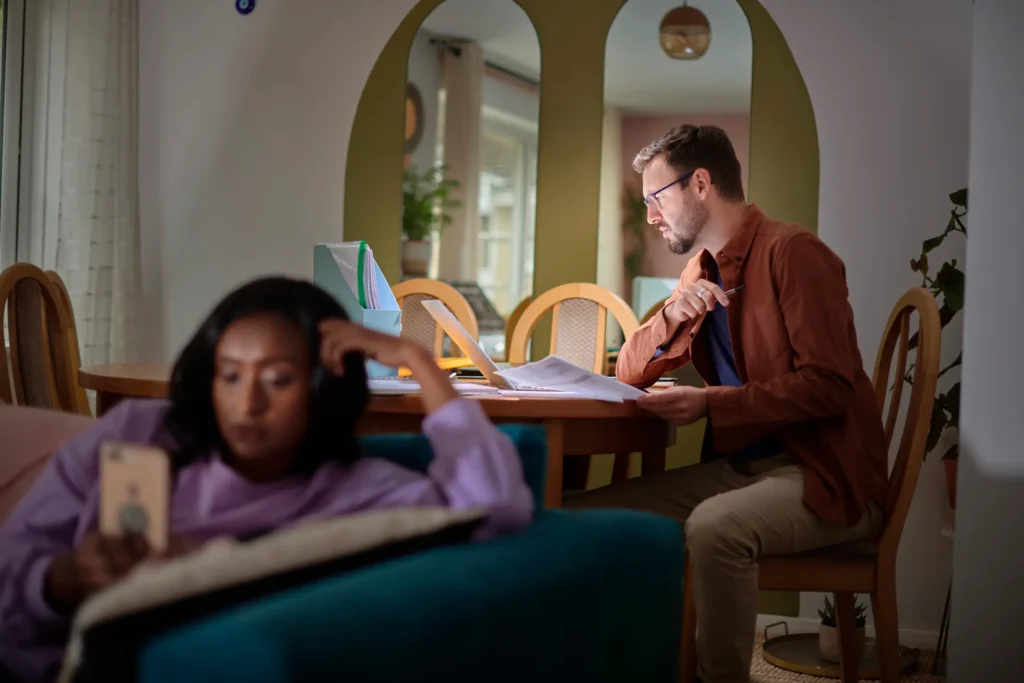

According to Dr. John Gottman, couples wait an average of six years before they make the decision to seek out couples therapy. That’s six long years of beating your heads against the wall hoping for a different outcome. That’s also more than enough time to have cultivated some ineffective and even downright unhelpful communication habits.
The Misconception of Couples Therapy
Many couples assume that if they should be able to work through the rough patches on their own without the need for outside help. Other couples experience guilt and shame about finding themselves in the position of needing couples therapy. They tell themselves they just aren’t good at communication. They say that they shouldn’t be having conflict if they really love each other. None of those assumptions are helpful. Even more importantly, none of them are true.
As a couple, you should have conflict because you both aren’t the same person. You didn’t grow up in the same family of origin, have an experience of the same triggers, or hold the same expectations about life and relationships. That’s the perfect storm for conflict. It’s what you do when you find yourselves in conflict that says everything about the relationship moving forward.
The majority of communication problems come in the midst of conflict. You should be experiencing frustration and disagreement. You likely did not or could not model what to do when feeling defensive, shut down, or overwhelmed.
Get your Relationship Communication Score
Answer simple questions and learn more about key relationship communication indicators like Feeling Heard, Turning Towards and Stonewalling
What Therapy is Really Like
I tell my clients that most of us did not take a couples communication class in high school. Couples therapy is where you go to learn how to be better partners. It’s not about blaming, finding fault, or laying down criticism.
Couples therapy is about helping you to learn and practice the tools that help you achieve a better relationship. Couples therapists also work to remove the idea that being in conflict is bad or that you are doing something wrong because you disagree. Your therapist can figure out where you experience stumbling blocks in your approach to conflict and how you deal with your physiological responses. They can also evaluate your repair attempts after conflict.
What is My Therapist Assessing For?
When therapists refer to assessment, they need a chance to enter your world and spend some time understanding how you interact with each other and where the pain points are. Assessment for a couples therapist is two-pronged. It involves the therapist identifying each of your respective personalities, needs, and what triggers you. It involves understanding how these layers impact you as a couple when you come together. A therapist is a neutral party. So it’s also important for them to evaluate the dynamics created as each of you works to have your needs met in the relationship. The therapist uses assessment to get a sense of unhelpful behaviors.
The Oral History: Telling ‘The Story of Us’
Gottman Method-trained therapists conduct a structured and thorough assessment of the couples they work with. In the first session, you will meet with your therapist and convey an oral history of the relationship. You will talk about a number of things like how you met, memories of dating, experiences becoming parents (if applicable), and each of your subjective realities about the difficulties and successes you have experienced as a couple. This time together helps the therapist start to understand the journey that you’ve been on together prior to coming to therapy.
Typically the therapist will ask you to talk about a topic in your relationship that has been difficult to resolve. While this might feel uncomfortable to do in front of someone who is essentially a stranger, this step is important. It allows a Gottman Method-trained therapist to identify which of the core skills you may need to learn or fine-tune. Most couples who can demonstrate patterns of conflict (which we typically refer to as The Four Horsemen) are better supported in couples therapy. Unproductive patterns are often at the root of feelings of being misunderstood and emotionally disconnected.
Vent Sessions
You will each have an individual session with the therapist without your partner present. The point of this session is not to keep secrets from each other. It gives each of you space to talk to the therapist without having to filter it for your partner. I lovingly call these individual sessions the “vent session” in my practice.
Therapists know you love your partner. However, there needs to be time to talk to the therapist one-on-one to share your worries and hopes for what therapy can accomplish. This is also a time for you to build your own relationship with the therapist so you can feel secure that they understand you and will be your advocate during the course of your work together.
The Evaluation and Treatment Plan
When you come back together in the fourth session, the therapist will present their assessment of the strengths (because all couples have them) and areas of growth. This evaluation is not meant to make you feel embarrassed or worried about your relationship status. The relationship assessment session is a way to let the therapist present their treatment plan or road map about the goals they have for you. A treatment plan will have measurable steps that you can refer back to as you learn and implement new tools and behaviors.
A Final Thought on Assessments
Taking the first few sessions to share in assessment sessions may initially feel like a waste of time or energy when you are in pain and want to jump into the “work.” However, the pay-off is worth it.
The Gottman Method helps you feel confident that your therapist understands the dynamics of your relationship. When a therapist recommends the use of a Gottman intervention or tool, you know your therapist chose it because they are thinking about who you are as a couple and how it will be beneficial.
Making the initial investment of being open and vulnerable with the assessment process can create the groundwork for a more positive and long-lasting outcome to couples therapy. So, find a Gottman Method-trained therapist in your area and get started on the relationship you always wanted.