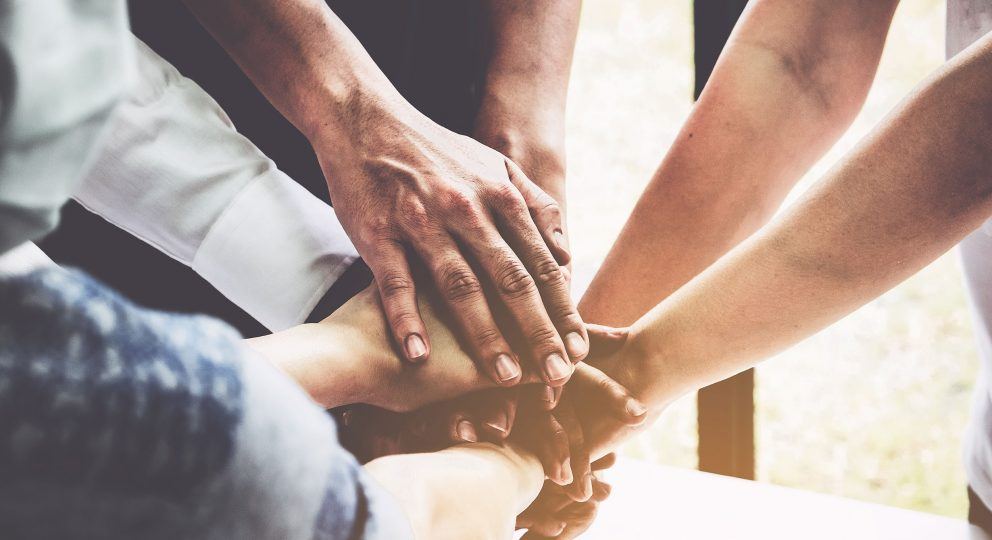
In Jewish teachings, “tikkun olam” refers to any activity that improves the world, bringing it closer to the harmonious state for which it was created. All people, regardless of religious affiliation, are encouraged to contribute to the common good.
As a company founded by Jews, this healing (tikkun) of the world (olam) is at the core of the mission of The Gottman Institute. Although we are not a religious organization, for more than 20 years, tikkun olam has propelled us forward with a passion for helping people. It’s more than just our “why.”
It’s a shared sense of responsibility. If we believe we have information that is helpful to others, which we do, then it is our obligation to use this knowledge for good.
I didn’t always feel this way. As a scientist at the University of Washington, I was making a good living watching couples deteriorate in my research lab. It was my wife, Dr. Julie Schwartz Gottman, a brilliant clinical psychologist, who encouraged me to use my research to help people. It was from a great love that the Gottman Method was born.
According to Rabbi Jeremy Schwartz, “At its most basic level, tikkun olam involves arranging our personal lives as well as our politics, culture, and economy on the basis of love.”
So what does the process of healing the world look like, practically? We believe it starts at home. If we can help build strong love relationships, then we can make an impact on families. And if we can make an impact on families, then we can make an impact on communities. And if we can make an impact on communities, then we can make an impact on nations. And if we can make an impact on nations, then we can make an impact on the world.
Yet we aren’t wise gurus sitting on a mountain with the truth about what makes relationships work. Sometimes I wish we were. I wish we had all the answers. Instead, we believe that only through science can we learn how to repair broken relationships and help people heal. It’s not easy. But over time, we’ve become better at it, mostly through failure.
In fact, I’ve kept track of my own hypotheses about love relationships over the years, and I’ve been wrong 60% of the time. If we didn’t do research, we would think we were right 100% of the time.
We’re learning through the Gottman Relationship Checkup that the problems couples and families face today are huge. Many people have spent years inadvertently and yet systematically dismantling their love. They have sought meaning in all the wrong places and find themselves not only with broken love relationships, but also with addictions, trauma, depression, domestic violence, betrayals through deceptive affairs, and many more ailments.
Healing these people is no simple task. That’s why we’re committed to ongoing research that increases our understanding of modern relationships. We’re obsessed with this pursuit of knowledge, and we’re encouraged by studies coming out of academic institutions like the Relationships And Motivation Lab at Northwestern, the NYU Couples Lab, and the National Marriage Project at the University of Virginia.
According to the writings of the Talmud, “whoever saves a single life is considered by Scripture to have saved the whole world.” So with each Instagram post, YouTube video, and Marriage Minute email, with each blog article, research study, and book chapter, with the development of each new course, workshop, and training, we provide guidance, support, and hope for couples and families to strengthen their relationships and bring maximum understanding, compassion, and love into the world.
You can participate in tikkun olam, too. Every aspect of your life, even the most seemingly insignificant task, has purpose and provides an opportunity for meaning.
The way you treat your partner, the relationships you have with your co-workers, the commitments you make to family and friends—all these are means of tikkun olam, bringing the world closer to the harmonious state for which it was created.